
Don Giulio Gradassi
An Heroic Act of Solidarity Towards Persecuted Jews
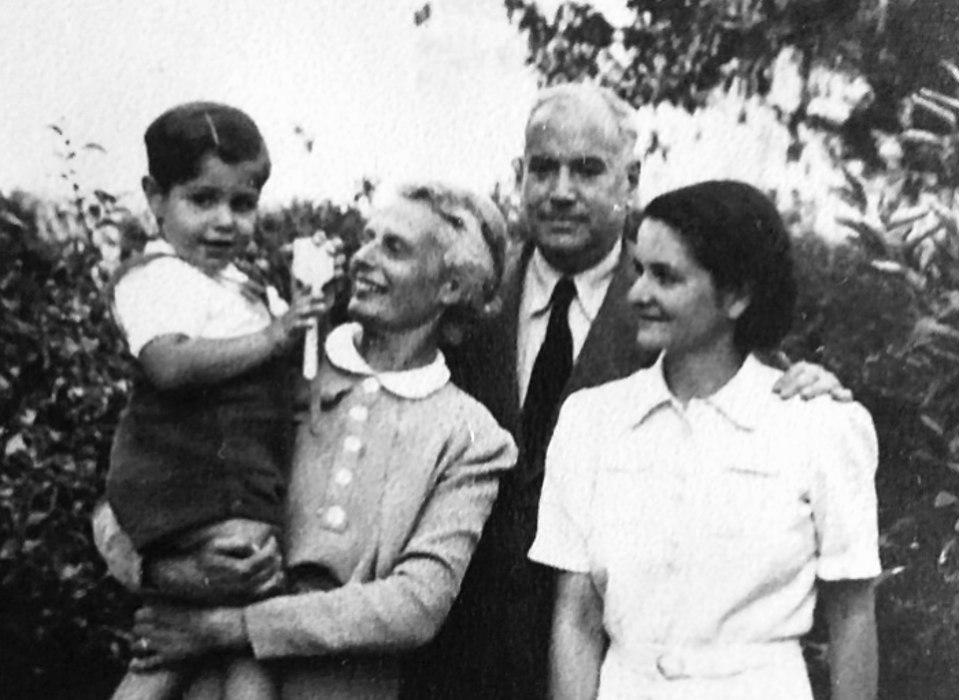
After September 8, 1943, with the German occupation and the advent of the Italian Social Republic, the hunt for Jews began. The Florentine Church acted in defense of the persecuted. Thanks to the actions of a clandestine committee, DELASEM, formed in Florence at the initiative of Bishop Elia Dalla Costa and Rabbi Nathan Cassuto, an effort was made to help the numerous Jewish refugees arriving in the city. Undeterred by danger, Don Giulio Gradassi opened the doors of his rectory in Castiglioni to shelter three Polish Jewish refugees who had arrived from Trieste: Dr. Rubin Pick, his sister Sonia, and his mother Henia. With the Pick family, a relationship of profound respect and friendship immediately developed, which involved the entire local community in Castiglioni and in the neighboring parish of San Donato in Livizzano, where Don Giuseppe Santini joined Don Gradassi in caring for the refugees. After the war, Dr. Pick, who had emigrated to the United States, would return several times to visit his priest friend, insisting that his heroic action be publicly recognized with the conferral of the honorific title of “Righteous Among the Nations.”
Montespertoli: The Town That Saved the Jews
The actions of Don Gradassi were far from isolated. During the tragic months of persecution, the entire town of Montespertoli stood united in protecting the Jews on its territory. In addition to the Pick family, the rescue of the Manni family (the uncles of Don Lorenzo Milani) was particularly significant. The Mannis, along with their relatives, had settled in Montespertoli during the war. Thanks to the protection received from the local authorities and the entire population, they were able to leave their residence in Trecento in time and escape the arrest order from the Florence police, finding refuge in safer places like Siena, Florence, and Rome. However, Don Lorenzo’s mother, Alice Weiss, remained at Gigliola and left her country villa only during the chaotic days of the front-line transition.
Among those who risked their lives to help the fugitives, Don Giulio Gradassi, municipal secretary Tullio Sperduti, and Carabinieri marshal Carmelo Gorgone are particularly noted in the sources and memories. However, this was indeed a collective and supportive effort involving the entire Montespertoli community—sharecroppers, laborers, parish priests, stewards, and landowners—particularly in the hamlets of Gigliola, Trecento, and Castiglioni. Despite the rewards offered to informers, none of the Jews in the area were arrested or perished in the Holocaust. Some of their descendants still reside in Montespertoli today.
Discovering Jewish Montespertoli
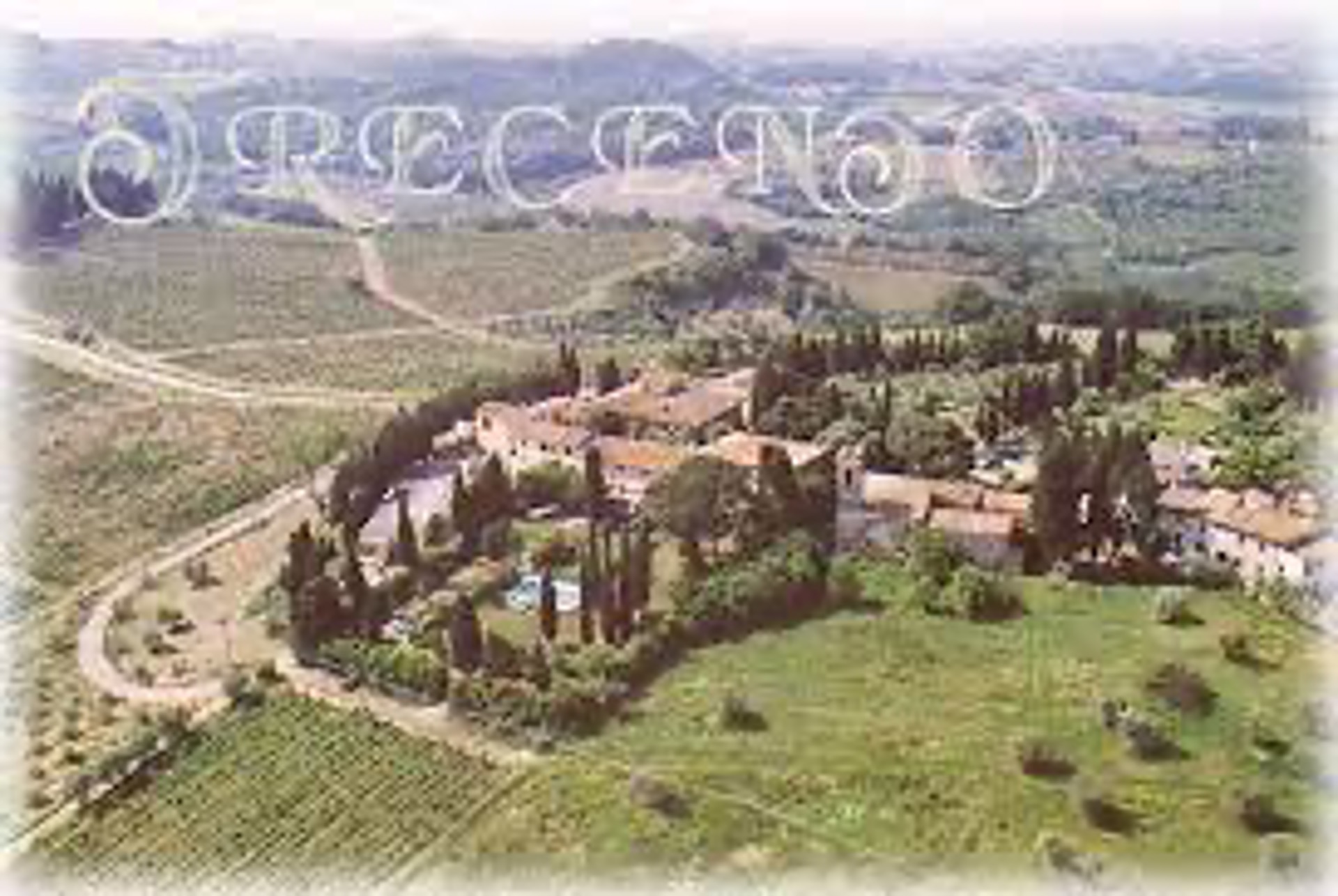
Montespertoli is not a historical center of Jewish presence in Tuscany. It has never been home to a Jewish community. However, starting from the 19th century, some Jewish families moved there as landowners: the Sonnino family as early as 1840 in the main town, the Milani family (in Gigliola) in 1914, and the Manni family (in Trecento) in 1934. During the Second World War, the Pick family, Polish refugees who found shelter at Castiglioni in the rectory of Don Gradassi, adjacent to Villa Frescobaldi, joined them.
A visit to the four estates (Castello Sonnino, Gigliola, Trecento, and Castiglioni) offers an opportunity to rediscover places of welcome and hospitality, rich in historical memories and still vital centers of the olive oil and wine economy.
For Further Exploration
Gabriele Boccaccini, autore del libro
Montespertoli che salvo’ gli ebrei, 1943-44
Edizioni Polistampa, Firenze, 2024.
Paolo Levrero, autore del libro
L’ebreo don Milani
Il melangolo, Genova, 2013